In today’s compliance-driven environment, hygiene services are no longer optional. They are a critical component of workplace safety, regulatory compliance, and operational continuity. From corporate offices to healthcare facilities, businesses across South Africa face increasing pressure to maintain sanitary, safe, and professionally managed environments.
Under the Occupational Health and Safety Act (OHS Act), employers are legally required to provide a working environment that is safe and without risk to employees. Structured, professional hygiene services help businesses meet these obligations while protecting staff wellbeing, customer confidence, and brand reputation.
What Are Professional Hygiene Services?
Professional hygiene services go beyond basic cleaning. They involve structured and compliant sanitation systems designed specifically for commercial environments.
Services typically include:
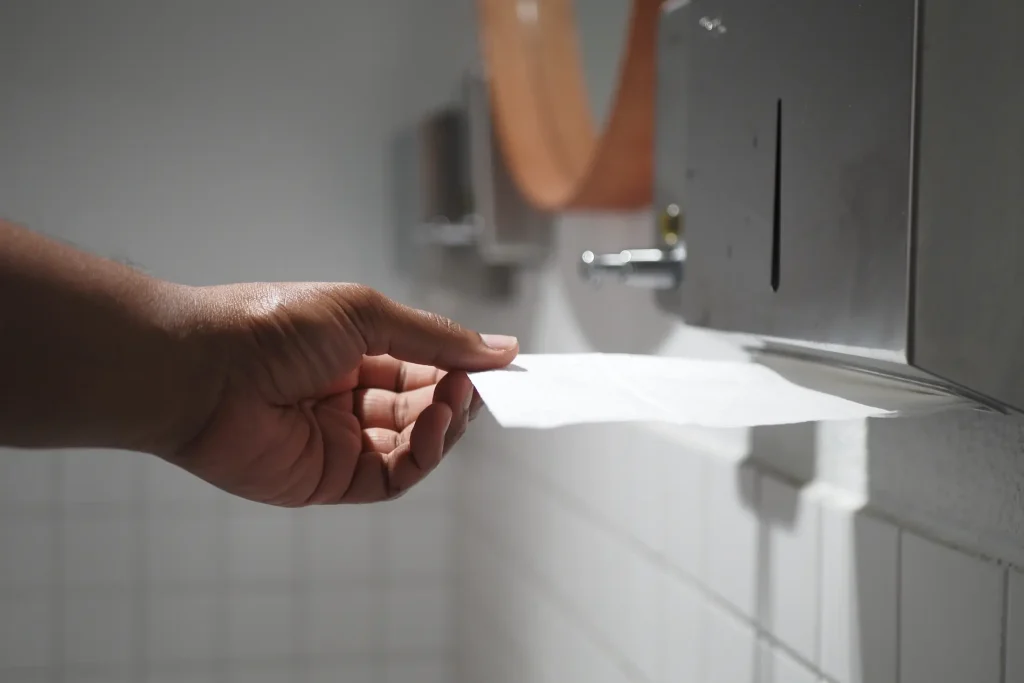
- Washroom hygiene management (sanitary bins, soap dispensers, hand dryers)
- Scheduled sanitary waste disposal
- Touchpoint disinfection
- Air freshening and odour control systems
- Consumables supply and replenishment
- Compliance documentation and service tracking
- Deep sanitation of high-traffic areas
Unlike ad hoc cleaning, hygiene management is preventative. It focuses on consistency, monitoring, and risk mitigation rather than reactive cleaning.
Why Hygiene Services Matter for South African Businesses
1. Legal and Regulatory Compliance with Hygiene Services
South Africa’s Occupational Health and Safety Act requires employers to maintain sanitary and safe working conditions. Failure to comply can lead to:
- Financial penalties
- Operational shutdowns
- Reputational damage
- Legal liability
Professional hygiene services support compliance with:
Occupational Health and Safety Act
https://www.labour.gov.za/DocumentCenter/Acts/Occupational%20Health%20and%20Safety/Act%20-%20Occupational%20Health%20and%20Safety%20Act%20No%201993.pdf
Department of Health environmental health standards
https://www.health.gov.za
Businesses in food production, healthcare, retail, and hospitality face even stricter hygiene expectations.
2. Reduced Illness and Absenteeism
Shared spaces increase the spread of bacteria and viruses. Poor sanitation can result in outbreaks of:
- Gastrointestinal illness
- Respiratory infections
- Skin infections
According to the World Health Organization, proper hand hygiene and sanitation significantly reduce transmission risks in shared environments:
https://www.who.int/teams/water-sanitation-and-hygiene-wash
Structured hygiene programmes reduce sick leave, improve morale, and protect productivity.
3. Protection of Brand Reputation
Washrooms and shared facilities are often seen as a direct reflection of a company’s standards. Poor hygiene can immediately damage customer trust and employee confidence.
For corporate offices, shopping centres, healthcare facilities, and hospitality venues, hygiene standards directly influence public perception. Professional hygiene services ensure facilities consistently reflect a responsible, professional brand image.
4. Risk Mitigation in High-Traffic Facilities
High-traffic environments such as:
- Airports
- Warehouses
- Schools
- Manufacturing plants
- Medical facilities
Experience elevated contamination risk. Structured hygiene management ensures:
- Scheduled servicing
- Proper sanitary waste handling
- Continuous replenishment of hygiene consumables
- Compliance-ready documentation
- Preventative sanitation protocols
This reduces operational disruption and compliance exposure.
Why Outsource Hygiene Services?
Many businesses attempt to manage hygiene internally. However, this often leads to:
- Inconsistent servicing
- Missed compliance standards
- Stock shortages
- Improper waste handling
- Lack of service tracking
Professional hygiene providers offer:
- Trained technicians
- Industry-compliant products
- Service-level agreements
- Scheduled servicing
- Measurable accountability
When hygiene services are integrated with broader facility solutions such as commercial contract cleaning, pest control, and specialised sanitation, businesses benefit from a unified compliance strategy rather than fragmented service providers.
Industries That Require Structured Hygiene Management
Healthcare Facilities
Strict infection prevention standards require consistent sanitation and medical waste management.
Food Production and Hospitality
Hygiene directly affects inspection outcomes, food safety compliance, and consumer trust.
Hygiene Services For Corporate Offices
Employee wellbeing, workplace morale, and professional image rely on clean, well-maintained facilities.
Industrial and Manufacturing Sites
Shared facilities require ongoing sanitation to prevent workforce illness and contamination risks.
The Haztech Approach to Hygiene Services
Haztech delivers professional hygiene services tailored to South African business environments. Our approach includes:
- Site assessments and risk analysis
- Custom hygiene management plans
- Scheduled servicing and consumables replenishment
- Certified waste handling procedures
- Integration with commercial cleaning services
- Support services including pest control and high-level cleaning
- 24/7 operational readiness where required
By combining hygiene services with broader facility management expertise, Haztech ensures consistent standards across single and multi-site operations nationwide.
Call to Action
Is your facility fully compliant with hygiene and sanitation standards?
Partner with Haztech for professional hygiene services designed to protect your workforce, your customers, and your brand.
📞 Call Haztech Cape Town today at (021) 569 3770 or email info@haztech.co.za to schedule your property management cleaning service.
Reliable. Compliant. Always ready.
Frequently Asked Questions
What are hygiene services in a commercial setting?
Hygiene services include structured washroom sanitation, sanitary waste disposal, consumables management, and preventative disinfection to ensure workplace health and compliance.
Are hygiene services required by law in South Africa?
Yes. The Occupational Health and Safety Act requires employers to provide sanitary facilities and maintain safe working environments.
How often should hygiene services be performed?
Frequency depends on foot traffic and industry requirements. High-traffic facilities may require weekly servicing, while lower-traffic offices may need bi-weekly or monthly maintenance.
What is included in washroom hygiene management?
It typically includes sanitary bin services, soap and paper replenishment, air freshening systems, hand hygiene solutions, and scheduled sanitisation.
Why should businesses outsource hygiene services?
Outsourcing ensures compliance, consistency, professional waste handling, and reduced operational risk compared to informal internal management.
Final Summary
Hygiene services are no longer a simple maintenance function. They are a strategic compliance, health, and risk management requirement for modern South African businesses.
Professional hygiene management reduces illness, protects brand reputation, and ensures alignment with regulatory standards. In high-traffic or regulated industries, structured hygiene systems are essential.
Haztech provides reliable, compliant, and integrated hygiene services designed to support safe, productive workplaces across South Africa.
To strengthen your facility’s hygiene standards, contact Haztech today and request a tailored solution.